Waste removal for flats Seven Sisters Road Finsbury Park
Posted on 13/07/2026
Waste removal for flats Seven Sisters Road Finsbury Park: a practical guide for busy residents
If you live in a flat on or near Seven Sisters Road, you already know that rubbish is never just "rubbish". It can be a narrow hallway full of old furniture, a broken washing machine that will not fit round the corner, or a pile of flat-pack packaging that somehow appeared overnight. Waste removal for flats Seven Sisters Road Finsbury Park needs a slightly different approach from a standard house clearance, because access, neighbours, parking, and stairwells all change the game.
This guide breaks down how flat waste removal works, what to expect, where the common pitfalls are, and how to make the whole thing easier on yourself. We will also cover sensible compliance points, a comparison of methods, and a straightforward checklist so you can plan without the faff. To get a feel for the wider service picture, you can also look at the services overview and the company's approach to recycling and sustainability.
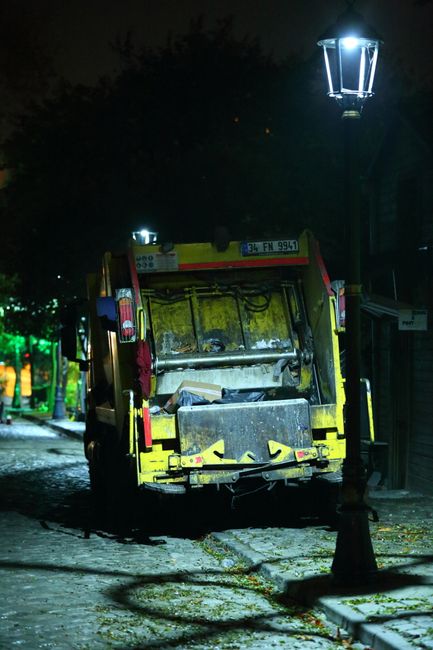
Why Waste removal for flats Seven Sisters Road Finsbury Park Matters
Flat clearance sounds simple until you are standing in a fourth-floor corridor with a mattress, a coffee table, and a bike that has not moved since the last general election. In buildings along Seven Sisters Road, the practical issues stack up quickly: limited parking, shared entrances, awkward stairs, lift restrictions, and the usual need to keep noise and disruption down.
That is why a careful approach matters. Good waste removal is not only about taking items away; it is about doing so without upsetting neighbours, blocking access routes, or leaving behind a mess. In a flat, one careless move can become a building-wide problem very quickly. And let's face it, nobody wants to be the person who jammed the landing with a broken wardrobe on a Tuesday evening.
There is also the question of what you are removing. A one-off bag collection is one thing. Bulky furniture, appliances, builders' rubble, or a post-tenancy clear-out are another. If you need a service tailored to everyday domestic loads, it is worth understanding the difference between general clearance and a dedicated domestic waste collection in Finsbury Park.
For residents, landlords, and managing agents, the value is simple: faster turnaround, less stress, and fewer chances of mishaps. In a busy part of London, that is not a small thing.
How Waste removal for flats Seven Sisters Road Finsbury Park Works
The process usually starts with identifying what needs to go. That may sound obvious, but in flat clearances it makes a real difference. A hallway full of mixed items takes more planning than a single item collection. Once the load is understood, the next step is access: can items be carried down stairs, does the lift have enough room, is there any need to protect walls or flooring, and where can the vehicle stop?
In many cases, the crew will assess the job, confirm what can be taken, and plan the safest route out of the property. If the waste is straightforward, removal can be quick. If there are heavy or awkward items, a bit more coordination is needed. That coordination is what keeps the job from turning into a small drama. Truth be told, the planning matters more than people expect.
For heavier items such as sofas, wardrobes, white goods, or beds, the crew may break larger objects down where possible so they can be moved safely. If you have an appliance that is no longer needed, it may be best handled through a specialist white goods and appliance disposal service rather than treated like ordinary rubbish.
Flat waste removal often includes sorting during loading so reusable or recyclable materials can be separated from general waste. That can be especially useful after a move, a refurbishment, or a tenancy changeover. If furniture is the main issue, a focused furniture removal service may be the tidiest route.
A typical flat clearance visit might include:
- an initial look at the items and access points
- careful removal from the flat or communal area
- sorting for reuse, recycling, and disposal
- sweeping up loose debris where needed
- final loading and departure with the waste
When the building is tight on space, timing helps too. Morning or quieter midweek slots can make life easier in shared blocks, especially if the stairwell is already busy with residents coming and going.
Key Benefits and Practical Advantages
The first benefit is obvious: you get your space back. But the real value is broader than that. With the right service, you do not need to coordinate multiple trips to a disposal site, borrow a van, or ask three friends to help carry a sofa down a stairwell. That last bit usually sounds easier than it is.
There is also the matter of safety. Heavy lifting in narrow communal areas is where scratches, knocks, and strained backs happen. A professional approach reduces those risks. It also means the waste is handled with proper care, which matters if you are trying to preserve the condition of a rented flat or a newly bought property. For people researching the local housing market, the practical side of move-in and move-out preparation is often underestimated; if that is your world right now, the site's property buying article offers useful local context.
Another advantage is speed. If a flat needs to be cleared before inventory, handover, or renovation, time matters. Waste removal can often be scheduled more flexibly than council collection cycles, which makes it useful when deadlines are tight. You also get less disruption to neighbours because the job is usually completed in a single visit rather than dragged across several weekends. Nice, simple, done.
Finally, there is confidence. A reliable provider should be clear about what happens to the waste, how items are handled, and what you are paying for. That transparency is useful in a busy area where many people prefer a straightforward, no-nonsense service.
Who This Is For and When It Makes Sense
This type of waste removal is useful for more people than you might think. It is not just for full flat clearances. In fact, a lot of jobs are smaller and more ordinary: a spare room being turned into a home office, a tenant moving out, an appliance failing, or a landlord needing a quick reset between lets.
It makes sense if you are:
- a tenant clearing out before moving day
- a landlord preparing a flat for new occupants
- a homeowner replacing furniture or appliances
- a flat share dealing with accumulated rubbish after a long winter
- an office or small business operating from a flat conversion
- a property manager handling a larger turnover or end-of-tenancy cleanup
It can also be a smart option after DIY or minor refurbishment. Even modest flat upgrades produce more waste than people expect: old flooring, packaging, broken fixtures, plasterboard scraps, and the odd mystery item from behind the boiler. If the job involves renovation debris, you may need something closer to builders' waste removal in Finsbury Park.
Sometimes the need is emotional rather than practical. A flat may be being cleared after a long period of accumulation, or after a family change, and the sheer amount of stuff can feel a bit heavy before the work even starts. That is normal. A patient, step-by-step approach helps more than trying to do everything in one chaotic afternoon.
Step-by-Step Guidance
If you want the smoothest possible result, approach the job in stages. That reduces stress and helps avoid surprises on the day.
- List the items clearly. Write down furniture, bags, appliances, and any awkward materials. A rough list is better than none at all.
- Check access. Measure large items against stair corners, lifts, and door frames. It sounds fussy. It is not.
- Separate what stays. In a flat, one misread pile can lead to confusion. Put keep, donate, recycle, and remove items in clearly different areas.
- Remove hazards first. Broken glass, loose screws, and trailing wires should be dealt with before any heavy lifting starts.
- Protect common areas. If you control the process, lay down coverings where needed and keep the corridor clear.
- Confirm timing. Make sure the collection fits with building access times, parking restrictions, and neighbour routines.
- Ask about sorting. A good provider should explain how recyclable and reusable items are handled.
- Do a final sweep. Check cupboards, balconies, and under-bed storage. These are the places people forget. Every single time.
If you are dealing with a single bulky item rather than a full flat load, it can help to compare your needs with local guidance on bulky rubbish removal in Finsbury Park. The principles are similar, but the logistics may be simpler.
One practical tip: if the building has a strict concierge or entry window, share that information upfront. A five-minute delay at the start can cause a thirty-minute delay later. Not ideal.
Expert Tips for Better Results
From a practical point of view, the easiest flat clearances are the ones where the resident has done a little prep in advance. Nothing dramatic. Just enough to make the job cleaner and safer.
Tip 1: group items by type. Put furniture together, bagged waste together, and appliances together. That helps with handling and makes recycling separation easier.
Tip 2: clear the route first. A landing full of shoes, prams, or bikes is a trip hazard. Move them out of the way before the crew arrives.
Tip 3: be honest about hidden items. If there is a loft box, a balcony pile, or a storage cupboard packed with stuff, mention it. It saves everyone awkward surprises.
Tip 4: think about noise. Early morning collection may be efficient, but it may not be wise in a building with thin walls and shift workers asleep next door. A little judgment goes a long way.
Tip 5: ask how recycling is prioritised. Good operators should be able to explain their general approach to sorting and recovery. The most responsible services will try to divert material away from disposal wherever it is practical.
Tip 6: keep documents handy. If you are a landlord or managing agent, note what was removed and when. It helps with turnover records. Boring? Yes. Useful? Also yes.
You may also want to review pages on insurance and safety and waste carrier compliance before booking, especially if the load includes heavier or more sensitive materials.

Common Mistakes to Avoid
Flat waste removal tends to go wrong in familiar ways. The good news is that most of them are avoidable if you slow down a bit.
- Leaving access checks until the last minute. If a sofa will not fit, the day gets messy fast.
- Underestimating volume. A small room can hide a surprising amount of rubbish once you start pulling things out.
- Forgetting building rules. Shared blocks often have quiet hours, lift limitations, or parking constraints.
- Mixing keep and remove piles. This is how important documents and sentimental items disappear. Annoying does not cover it.
- Assuming all waste is the same. Appliances, mattresses, paint, and builders' debris may need different handling.
- Not checking the provider's standards. Compliance, insurance, and payment clarity should not be afterthoughts.
There is another common mistake too: waiting until the flat is already full and then panicking. If you can break the work into smaller stages, do that. It is usually cheaper in stress, even if it takes a little longer to plan.
Tools, Resources and Recommendations
You do not need a van load of equipment to prepare for flat waste removal, but a few simple tools make life easier. A marker pen, strong bags, gloves, tape, and a basic measuring tape are enough for most jobs. For heavier items, furniture sliders and a trolley can help, though you should only use them if the building layout really suits them.
It is also wise to keep a few practical resources in mind. The company's pricing and quotes page is useful if you want to understand how quotations are usually framed, while the about us page helps set expectations about the team and approach. If you want to read more about responsible disposal habits, the sustainability page mentioned earlier is worth a look too.
For readers interested in the wider local context, some of the blog content can help with planning around the area. The piece on same-day clearance near Finsbury Park Station is relevant if you are working to a tight timetable, and the article on rubbish removal along Stroud Green Road is helpful if you are comparing nearby local patterns and access issues.
One small recommendation: keep a separate bag for cables, chargers, remote controls, and the little things that disappear under furniture. They are not glamorous, but they always turn up when you least want them to.
Law, Compliance, Standards, or Best Practice
For flat waste removal in London, compliance is not just paperwork. It is part of responsible service. In practice, that means using a properly authorised waste carrier, making sure waste is handled lawfully, and keeping an eye on safety and insurance. Residents do not need to become experts in the rules, but they should feel comfortable asking basic questions before booking.
As a general best practice, check that the provider can explain how waste will be transferred, where it goes, and whether sorting for reuse or recycling happens where practical. If you are clearing a rental flat, this matters even more because records and property condition both have a habit of becoming awkward later if the process was vague.
For certain loads, you should be especially careful. Electrical items, mattresses, sharp fragments, and renovation waste may need specific handling. If there is any doubt, ask in advance rather than assuming it will be fine. It usually is, but sometimes "fine" turns into a delay if the load is mixed badly or not described properly.
Good practice also means respecting neighbours and building rules. In a shared building, it is polite and sensible to keep corridors open, avoid blocking fire exits, and minimise noise. That is not just courtesy; it is basic common sense. The same goes for privacy. If you are clearing someone else's flat, be discreet with personal papers and belongings.
If you want to review the company's policies and safeguards, the relevant pages include terms and conditions, payment and security, and privacy. Those pages help build trust before you book, which is only fair.
Options, Methods, or Comparison Table
There is more than one way to clear waste from a flat. The best choice depends on volume, urgency, access, and how much handling you want to do yourself.
| Method | Best for | Pros | Watch-outs |
|---|---|---|---|
| DIY trips to a disposal point | Very small loads and low urgency | Low direct cost, full control | Time-consuming, lifting risk, parking and vehicle hassle |
| Scheduled council-style collection | Simple, non-urgent household waste | Can suit routine disposal needs | Less flexible, not ideal for bulky or mixed flat clearances |
| Dedicated waste removal service | Bulky items, mixed loads, flat clear-outs | Fast, convenient, handled for you | Needs clear access info and a proper quote |
| Specialist item disposal | Appliances, furniture, builders' debris | More suitable handling for certain items | May need separation from the rest of the load |
For most flat residents on Seven Sisters Road, the dedicated service is the cleanest option when time, access, or volume are an issue. If the job is only one or two pieces, a more focused collection may be enough. If it is the aftermath of a move or refurbishment, go broader.
Case Study or Real-World Example
Here is a realistic example from the kind of job that comes up all the time. A two-bedroom flat above a busy stretch of Seven Sisters Road needed clearing before a tenancy handover. The items included a sofa, a bed base, two bookcases, a broken microwave, several black bags of mixed household waste, and a pile of cardboard from a recent delivery spree. The corridor was narrow, the lift was small, and the building had shared access.
The most useful step was not the lifting. It was the sorting. The resident separated keep items from remove items, took photos of the bigger pieces, and checked the lift size in advance. That meant the team could plan the route, bring the right equipment, and avoid dragging things back and forth. The job was completed in one visit, with less noise and less disruption than if it had been treated as a last-minute scramble.
That kind of outcome is typical when the prep is decent. No magic. Just fewer surprises. The resident later said the biggest relief was not the empty flat; it was hearing the stairwell stay quiet while the work was done. Small thing, but in a flat building, that really matters.
Practical Checklist
Use this before your collection or clearance appointment:
- Make a simple inventory of everything to be removed
- Measure the largest items and check access routes
- Confirm whether the building has any restrictions
- Separate items you want to keep from items going out
- Set aside recyclable items if possible
- Remove loose hazards such as glass or screws
- Protect floors and walls if the building is tight on space
- Ask how bulky items and appliances will be handled
- Check payment details and service terms in advance
- Keep communal spaces clear on the day
- Do a final walk-through before the team leaves
If the waste includes a lot of old household contents, a house clearance service in Finsbury Park may be more appropriate than a lighter collection. That is especially true if the flat needs to be emptied fast and properly.
Get a free quote today and see how much you can save.
Conclusion
Waste removal for flats on Seven Sisters Road is really about making a crowded, awkward task feel manageable. When access is tight and time is short, the right service saves effort, reduces risk, and keeps shared spaces calm. That is the heart of it.
If you plan the load, check the access, and choose the right kind of removal for the items involved, the process becomes much easier. You do not need to overcomplicate it. Just be clear, practical, and realistic about what needs to go. That simple approach tends to work best, even on the busiest days.
And if you are staring at a room that feels one bag too full, start with the first bag. Then the next. Bit by bit, the space comes back to you.