







07/10/2026
Booking rubbish removal in Finsbury Park should be simple. A quick call, a clear price, job done....
Rubbish Clearance Finsbury Park provides practical waste removal in Finsbury Park for homes, landlords, businesses and renovation projects that need unwanted items taken away with minimum disruption. Our service covers a broad range of clearances, from a single bulky item to mixed loads that need careful sorting, loading and disposal. If you want a straightforward way to clear space and keep the work organised, this page sets out the main options and how to request a quotation.
We handle different clearance jobs in a way that keeps the process clear and manageable. That includes our services overview, which gives a broader look at the types of work available, and it helps customers compare household, garden, commercial and building-related waste before choosing the right approach. In practice, the best option depends on what needs removing, how much there is, and whether the items can be separated for recycling or specialist disposal.
Need a quote? Send over the key details and we can help you work out the most suitable clearance. If you already know the type of waste, you can move directly to a dedicated service page or continue below to understand the differences between each job type. Clear information usually makes the quotation process quicker and simpler.
Domestic waste collection in Finsbury Park is designed for everyday household items that are no longer wanted, useful, or safe to keep stored away. That can include bagged rubbish, mixed household clutter, old ornaments, broken small items and general contents from rooms that need tidying. A domestic clearance is often the best choice when the waste is not limited to one category and you want a single visit to deal with several kinds of unwanted material.
For homes that need a fuller clear-out, our house clearance service is suitable when multiple rooms, loft areas, cupboards or storage spaces need attention. This kind of work is usually more orderly when items are grouped in advance by room or by type, but we can still help when the load is mixed. If you are clearing a property before a sale, after a tenancy or during a general declutter, the aim is to remove the waste in a way that feels controlled rather than rushed.
For lighter household jobs, a few practical steps help the process run smoothly: identify anything that must be kept, separate any hazardous or restricted items, and make sure the load can be reached safely. If you can add a simple description of the waste and whether there are stairs, tight access points or shared entrances, that gives a better basis for a quotation. Clear access and accurate details make it easier to plan the right vehicle and labour for the job.
Bulky items are often the hardest things to move out of a property, particularly when they are awkward to carry or no longer fit the room layout. Our furniture removal service is aimed at items such as sofas, chairs, tables, wardrobes, shelving and other large household pieces. These loads often need more than simple lifting; they need care around walls, floors and doorways, especially in flats or narrow access properties.
When the waste includes electrical or white goods, the relevant route is our white goods and appliance disposal service. Fridges, washing machines, cookers and similar items can require different handling from standard furniture because they may contain components that need specialist treatment. If your clearance includes a mixture of furniture and appliances, it is useful to mention that in one enquiry so the load can be assessed as a whole rather than in separate parts.
Typical furniture and appliance collections are easier to manage when the larger items are identified before arrival. If you can note whether anything is built in, unusually heavy, upstairs, or already disconnected, that helps avoid delays on the day. For customers comparing options, it is sensible to think about whether the job is mainly one large object, a few bulky items, or a broader room clear-out where both furniture and appliances are present. Choosing the right service first can prevent unnecessary handling later.
Garden waste removal in Finsbury Park covers the materials that build up during routine outdoor maintenance or one-off landscaping work. That may include branches, hedge cuttings, soil, turf, leaves, broken planters and other green waste that needs to be taken off site once a garden has been trimmed back or reworked. This service is useful when sacks or bin collections are not enough to deal with a larger volume of material.
Outdoor clearances can also involve mixed waste from sheds, patios or boundary areas, where the load is not purely green. In those cases, the main task is to sort the material into what can be treated as garden waste and what needs a different route. If you are planning a seasonal tidy-up, a post-renovation outdoor clearance or the removal of debris after pruning, it helps to be specific about the main material types so the job can be matched to the right approach.
The easiest way to prepare is to keep the waste separate from anything you intend to reuse, and to note whether it is bagged, loose, damp, heavy or stacked. Soil and rubble-like material can weigh much more than it looks, so a simple description is better than guessing the load by eye. If you need a clearer view of how different outdoor and household jobs compare, the main service pages below offer a useful starting point. garden waste removal
Commercial waste removal in Finsbury Park is intended for shops, offices, managed premises and other business spaces that need unwanted items taken away in an organised way. This may include office furniture, bagged waste from refurbishments, storage contents that are no longer needed, display fixtures or other items left behind after a change in use. The key difference from a domestic job is often the amount of planning needed around access, timing and the type of material being removed.
Where the waste comes from building works or fit-outs, our builders waste removal service is a better fit. It is designed for mixed construction debris rather than ordinary household clutter, so it is suitable for the material left after renovation, maintenance or strip-out work. For businesses, that distinction matters because it helps separate everyday rubbish from heavier or more specialised project waste that may need a different disposal plan.
For a smoother quotation, it is helpful to know whether the premises are occupied, whether there are loading restrictions, and whether the clearance needs to be arranged around opening hours or building access rules. If you are comparing commercial and domestic options, remember that a business job may include more varied waste streams, while a general premises clear-out may simply involve a larger volume of standard items. One accurate description is usually more useful than several vague ones.
Clearance prices are usually shaped by practical factors rather than a fixed one-size-fits-all figure. The amount of waste, the type of material, access to the items, the distance items need to be carried, and whether the load contains heavier or specialist objects all influence the final cost. A single bulky item may be easier to assess than a mixed clearance from several rooms, but even straightforward jobs can vary depending on where the waste is stored and how it is presented.
If you are preparing a quotation request, it helps to list the main item types, estimate the number of bags or pieces, and mention anything that could affect loading such as stairs, narrow halls, parking limits or shared entrances. Photographs can also be useful when they show the full load clearly, though a written description still matters because it explains the context. If your job includes several waste types, say so at the outset so the right service page can be matched to the right job. Good detail supports a better estimate.
For customers who want to compare service options before making contact, the pricing page is a helpful place to start, and the safety and payment information below can also answer practical questions about how work is handled. When you are ready, pricing and quotes gives a clearer view of the quotation process. You can also use the contact page as your final step if you are ready to request an estimate now.
Finsbury Park is a district in north London that takes its name from the large public park and the surrounding urban area. The park itself opened in the 19th century and remains one of the best-known open spaces in the neighbourhood, with broad paths, playing fields, mature trees and sports facilities forming a major part of local life. The district sits across a busy part of inner north London and is shaped by a mix of railway, road and residential development that has changed over many decades. Finsbury Park station is a significant transport interchange, bringing together Underground and rail services and giving the area a strongly connected feel. Nearby routes such as Seven Sisters Road and Stroud Green Road add to the sense of movement, with shops, cafés, homes and local services lining important stretches. The architecture in the area is varied rather than uniform: Victorian and late nineteenth-century terraces sit alongside later apartment buildings, converted properties and commercial frontages. That blend reflects the area’s gradual growth from outer suburban expansion into a dense inner-London district. The park itself is also a cultural landmark, used for recreation, events and everyday walking, while the surrounding streets support a lively mixed-use character. Because the name refers both to the park and to the wider district, it is often understood as a place where transport, open space and urban neighbourhood life meet closely together.
Responsible clearance work depends on sorting, handling and disposing of items in a way that reflects the material type. Different waste streams may need separate treatment, especially where recyclable material, reusable items, electrical objects or heavy construction waste are involved. The general goal is to keep useful items out of unnecessary disposal routes where possible and to manage the rest in line with the relevant waste process. That is why the kind of load matters as much as the amount.
Our recycling and sustainability page explains the approach to material handling in more detail, while the safety information sets out the practical side of working carefully around people and property. It is also worth considering that some clearances need extra caution because of access conditions, weight, broken edges or electrical components. For that reason, clear descriptions are not just administrative; they help match the job to the safest and most suitable method.
If you are unsure whether an item belongs with household waste, furniture, garden material or builder’s debris, it is sensible to ask before setting it aside. Separation at the point of enquiry can make the whole job more straightforward, particularly where mixed loads are involved. The more precise the category, the easier it is to assess what needs to be collected and how it should be handled.
Some jobs do not fit neatly into a single type of waste, which is why many customers begin with a mixed-load assessment. A house clearance may include old furniture, small electrical items and general rubbish, while a commercial job may combine office contents, packaging and items left behind after changes on site. The service is built to cope with that variety by identifying the main load type first and then deciding what sits alongside it. If the waste is already grouped, the process is usually quicker to assess.
The most useful enquiry details are often simple ones: what is being removed, how much of it there is, where it is located, and whether anything is especially heavy, fragile or difficult to reach. That information helps to decide whether a domestic collection, furniture removal, garden clearance or builders waste service is the better fit. For a direct conversation about the job, the final step is to contact us with the basics of the clearance and request a quotation.
For readers who want to explore more before sending an enquiry, the business information pages offer useful background on how work is handled, including compliance, insurance and payment matters. When you are ready to move from planning to booking, a clear enquiry is the best place to start. You can keep the message brief, and it is still enough to begin the quotation process.
Rubbish clearance in Finsbury Park for household, garden, furniture, appliance and commercial waste, with clear service information and quotation enquiries.
Booking rubbish removal in Finsbury Park should be simple. A quick call, a clear price, job done....
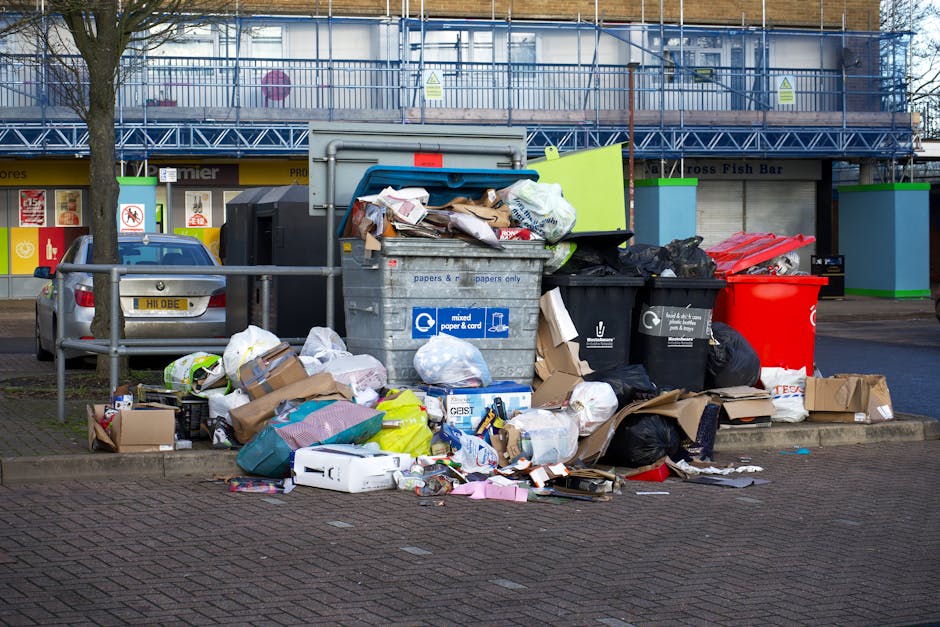
If you need urgent same day rubbish removal in Finsbury Park, the big question is usually not...
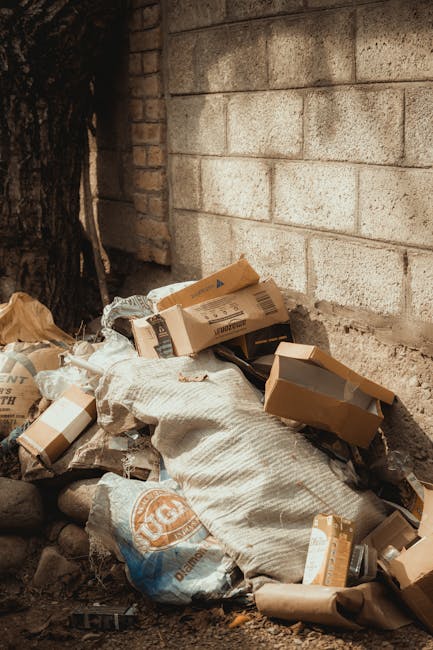
If you have ever booked rubbish clearance and then watched the final bill creep up, you will know...
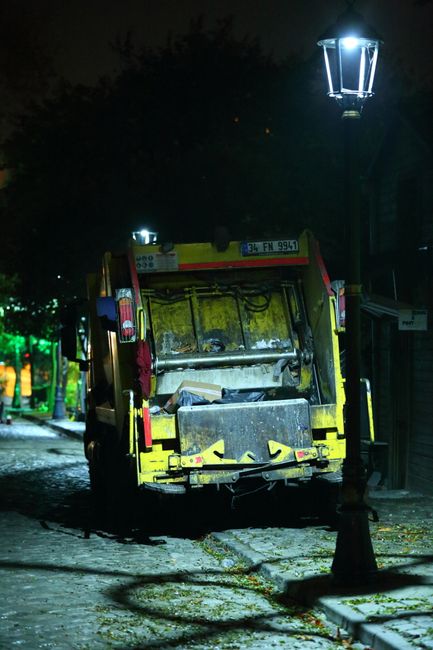
If you live in a flat on or near Seven Sisters Road, you already know that rubbish is never just...

If you live, work, or manage a property near Blackstock Road, bulky rubbish can go from "I'll...

If you need same day rubbish clearance Finsbury Park Station N4, you are probably dealing with a...

If you are dealing with a pile of unwanted items on or near Stroud Green Road, you already know...

Finsbury Park, a vibrant and increasingly popular area in North London, has become a magnet for...

Finsbury Park, a vibrant and multicultural enclave in North London, offers abundant opportunities...

Finsbury Park, located in North London, is an urban neighborhood that has long captured the...

Nestled in the heart of North London, Finsbury Park is a vibrant and diverse neighborhood that...

Finsbury Park, located in North London, is a vibrant and diverse area that offers a variety of...

 (84)
(84)
Please fill out the form below to send us an email and we will get back to you as soon as possible.